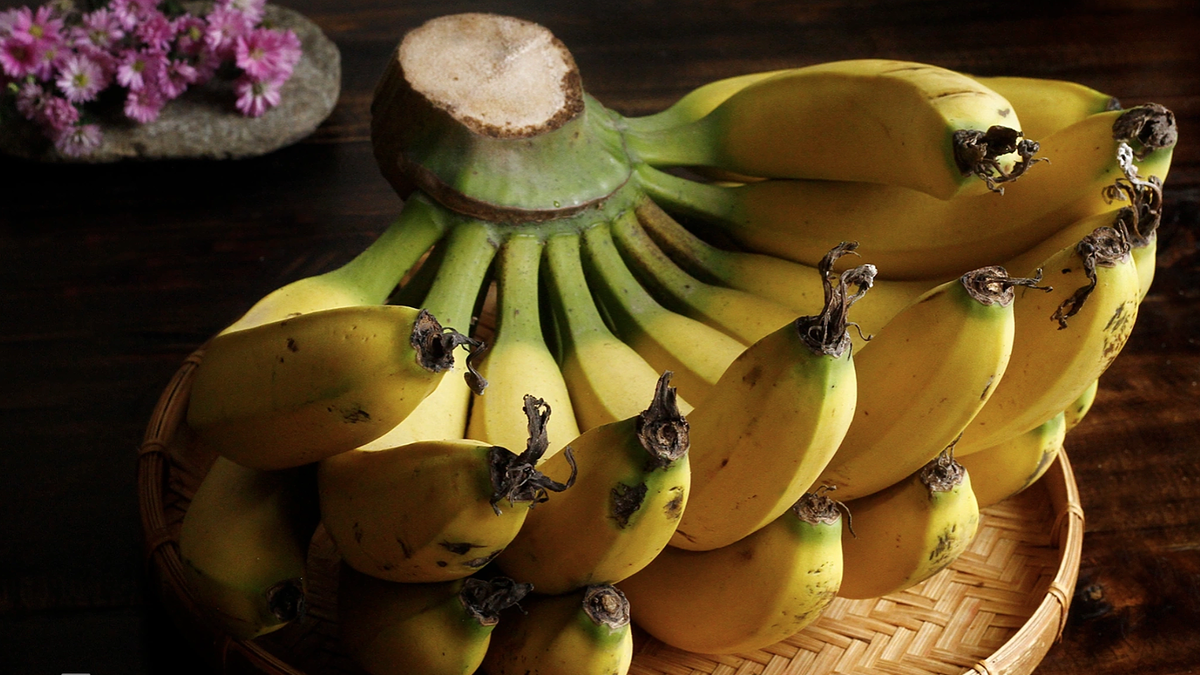
Eating a sufficient amount of bananas, oats, milk, seeds or kiwis 1-2 hours after dinner helps support sleep effectively.
Doctor Xiao Weicheng, Gastroenterology Specialist at Nguyen Tong Hospital (Taiwan, China), said the process from lying down on the bed to falling into deep sleep is a complex series of chemical reactions. The human body needs to use tryptophan found in food to produce serotonin, which then continues to convert into melatonin – a key signal that supports sleep.
If this “raw material” source in the body is deficient, combined with high mental pressure or unstable blood sugar, the brain will not be able to activate sleep signals, thereby leading to 4 common sleep disorders: difficulty falling asleep, easily waking up in the middle of the night, restless sleep and frequent dreams.
There are many causes of poor sleep, some of which are due to a lack of synthetic hormones in the blood and melatonin. At this time, besides taking medicine, we can also supplement through food.
Dr. Xiao Weicheng recommends taking the supplement in moderation after dinner, about 1-2 hours after dark. Eating a small amount of sleep-supporting foods at this time will work best. However, if insomnia is caused by anxiety, the patient should still seek help from a specialist or take medication.
To supplement sleep “ingredients” for the brain, doctor Xiao Weicheng recommends 5 outstanding foods, while emphasizing portion control:
Banana (1 small fruit)
Rich in magnesium and potassium to help relax muscles, contains natural tryptophan that can be converted into melatonin.
Oats (1 small cup)
Contains complex carbohydrates, which help increase serotonin production.
Fresh milk (1 small cup)
Drinking too much will cause a feeling of bloating, even leading to gastric reflux and indigestion.
Walnuts and almonds (a handful-sized amount)
Rich in magnesium and B vitamins, helps stabilize nerves and reduce the frequency of waking up at night.
Kiwi (1 fist-sized fruit)
Rich in natural serotonin and antioxidants. Be careful not to eat too much to avoid a rapid increase in blood sugar.
Bananas are rich in magnesium and potassium, which help relax muscles, and contain natural tryptophan that can be converted into melatonin. Image: Bui Thuy
Although nutritional supplements help with sleep, Dr. Xiao Weicheng notes that eating before bed is absolutely not necessarily good. If you eat too much, your stomach and intestines still have to work hard to digest while you sleep, which not only reduces sleep quality but also causes bloating and reflux, which also causes a lot of discomfort.
Regarding eating before going to bed, doctors give 4 tips:
-
When: You should finish eating 1 to 2 hours before going to bed.
-
Ration: You should only eat a small amount, do not encourage eating too much.
-
Dish: Avoid foods high in sugar and greasy fried foods.
-
Beverage: Reduce caffeine and alcohol consumption in the evening.
The real key to a good night’s sleep is not just eating the right foods, but letting your body understand that it’s time to rest peacefully. When nutrition, lifestyle and stress management converge at the right time, the brain will automatically be ready to enter deep sleep mode.
Find A Spring – Members
Profil – Logan
HedgeDoc – Collaborative markdown notes
https://valvefittingstore.com/
265402
Find A Spring – Members
Profil – Anthony
HedgeDoc – Collaborative markdown notes
https://edunitro.com/process
265403
Find A Spring – Members
Profil – Jackson
HedgeDoc – Collaborative markdown notes
https://punchng.com/tags/akin/
265404
Find A Spring – Members
Profil – Noah
HedgeDoc – Collaborative markdown notes
https://www.monitor-picker.com/en-us
265405
Find A Spring – Members
Profil – Kevin
HedgeDoc – Collaborative markdown notes
https://randown.com/post/what-is-the-best-throwaway-email-for-long-term-use
265408