An insight into the strikes. “2025 consolidates the downward parable of conflict: with 1,020 abstentions carried out (from 1,129 in 2023 to 1,080 in 2024), there was a decrease in the 5,5% compared to 2024 and an overall contraction of 9,6% in the three-year period. The contraction does not only concern the final implementation of the strike, but reflects a general, albeit slight, reduction in the conflictual initiative upstream, although the decline in total proclamations (1,564) was more contained (-5% in the three-year period)”. This is what we read in the Annual Report of the Commission to guarantee the implementation of the law on strikes in essential public services, referring to the year 2025, illustrated today by the President, Paola Bellocchi, in her speech at the Sala della Regina in Palazzo Montecitorio.
“However, the data that goes against the trend stands out general strikewhose proclamations doubled, going from 17 in the previous year to 33 in the year under review. This increase, almost entirely attributable to the initiative of smaller groups and grassroots trade unionism, translated into 27 mobilizations actually carried out, concentrated in 9 days in total”.
Divergence between proclamations and implementation
“With the exception of the general strike, a significant divergence emerges between the announcement phase and the implementation phase: compared to around four daily proclamations, less than three result in real abstention, bringing the rate of non-implementation to 34,8%. This deviation – as highlighted in the Annual Report – represents the main indicator of the effectiveness of the supervisory system and of the union mobilization strategies: almost half of the strikes not carried out are in fact attributable to the direct activity of the Commission through immediate indications and mediations, while the other half derives from spontaneous revocations linked to the success of the negotiations or to residual strategies of union visibility”.
Territorial and national conflict
“The dynamics of the conflict varies significantly based on its size: territorial conflict, fueled by corporate or local critical issues, confirms itself as the daily driving force of the protest – almost 3 out of 4 strikes take place at local level, representing the 72,5% of total abstentions – but appears more fluid and subject to mediation, closely linked to contextual variables, with an implementation rate of 61%. On the contrary, the national strike remains the culmination of more rigid and difficult to settle disputes, with an index of implementation of the 70% (out of 383 action announcements, 269 were carried out)”.
Sectoral and geographical trend
“At a sectoral level, the reduction appears structural in sectors such as credit (-69.2%), railways (-50.0%) and environmental hygiene (-33.3%), thanks to the closure of contractual cycles, while there is a tightening in sectors characterized by outsourcing and failed renewals, with significant peaks in metalworking, telecommunications and private security. At a geographical level, the protest – it is highlighted – remains concentrated in the areas with the highest population density such as Campania, Lombardy and Sicily, with the North overall leading the highest share of territorial conflict”.
Passenger mobility sector
“The passenger mobility sector (which includes local public transport, rail, air and sea) continues to generate approximately a third of the entire conflict activity monitored by the Commission. In practice, more than one strike in three is concentrated in these sectors.”
Internal differences in transport
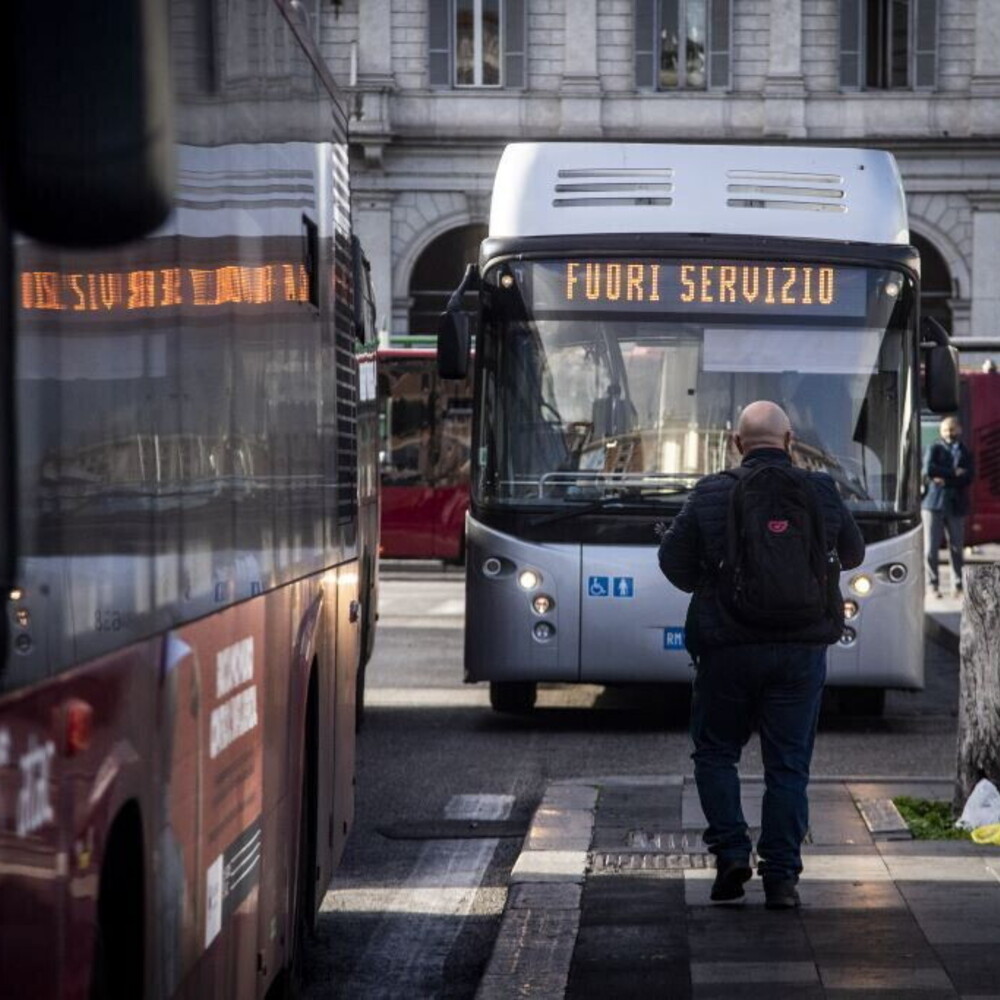
“However, the internal dynamics of the sector – it is underlined in the Report of the Strike Guarantor – reveal divergent trends: while rail and air transport show clear signs of cooling (with a reduction in actual abstentions equal, respectively, to 50% et al 18% over the two-year period), Local Public Transport (LPT) confirms itself as the most critical sector. Fueled by an almost entirely local and fragmented dynamic, less sensitive to national negotiation cycles, the TPL – although strikes remained almost stable in absolute numbers – recorded a clear increase in the number of days affected by abstentions in 2025, which went from 62 in the previous year to 101, highlighting a persistent difficulty in managing industrial relations in this area”.
New forms of global mobilization
“2025 marked the affirmation of new forms of mobilization projected onto a global stage, which link the right to strike to international political issues. The most innovative fact of the year under review is the spread of strikes of a political nature characterized by a strong transnational imprint, in which the conflict in Palestine and the criticism of the so-called ‘war economy’ have emerged as powerful catalysts of transversal mobilisations”. This is what we read in the Annual report of the Commission to guarantee the implementation of the law on strikes in essential public services, referring to the year 2025, illustrated today by the President, Paola Bellocchi, inside the Sala della Regina of Palazzo Montecitorio.
Selective strikes in logistics
“The ideal tension linked to dramatic international events has also been translated operationally into the new frontier of selective strikes in armaments logistics, aimed exclusively at the loading and unloading of war material directed towards conflict areas. Such actions, invoked as conscientious objection against the war economy, bring to the fore the conflict between individual ideal values and the functional impact on the entire civilian infrastructure network. The blockade, even if limited to a specific military shipment, can in fact generate repercussions – it is highlighted – on the operation and security of national logistics, causing delays and chain disservices for users well beyond the scope of the single contested operation”.