Green leafy vegetables, seafood, soft-boiled eggs, mushrooms and wood ear mushrooms left overnight have the risk of producing toxins that can cause poisoning when eaten.
Surgeon Hoang Si Duy (Taiwan, China) shared on his personal page that many people mistakenly believe that food stored overnight in the refrigerator or if it has no strange smell and no signs of rancidity on the outside, is still safe.
However, Dr. Duy warns that in reality, not all foods can be eaten again after being cooked and left overnight in the refrigerator. Trying to eat these foods can cost your digestive system dearly, and even face many serious health risks.
Here are 5 dishes that should not be eaten overnight:
Green leafy vegetables
Green leafy vegetables contain quite high levels of nitrate. After cooking and leaving for a long time, bacteria will decompose and convert nitrate into nitrite (a substance that can cause cancer and poisoning).
Notably, even if you store vegetables in the low temperature environment of the refrigerator, this conversion process still takes place and cannot be completely prevented.
Seafood
Seafood spoils much faster than other foods due to its special protein structure. Even when refrigerated, protein in seafood still decomposes quickly and produces histamine (allergen and poisoning substance).
In addition, the surface of seafood contains many different strains of bacteria, the low temperature of the refrigerator can only slow down but not completely prevent their growth.
Soft eggs, undercooked eggs
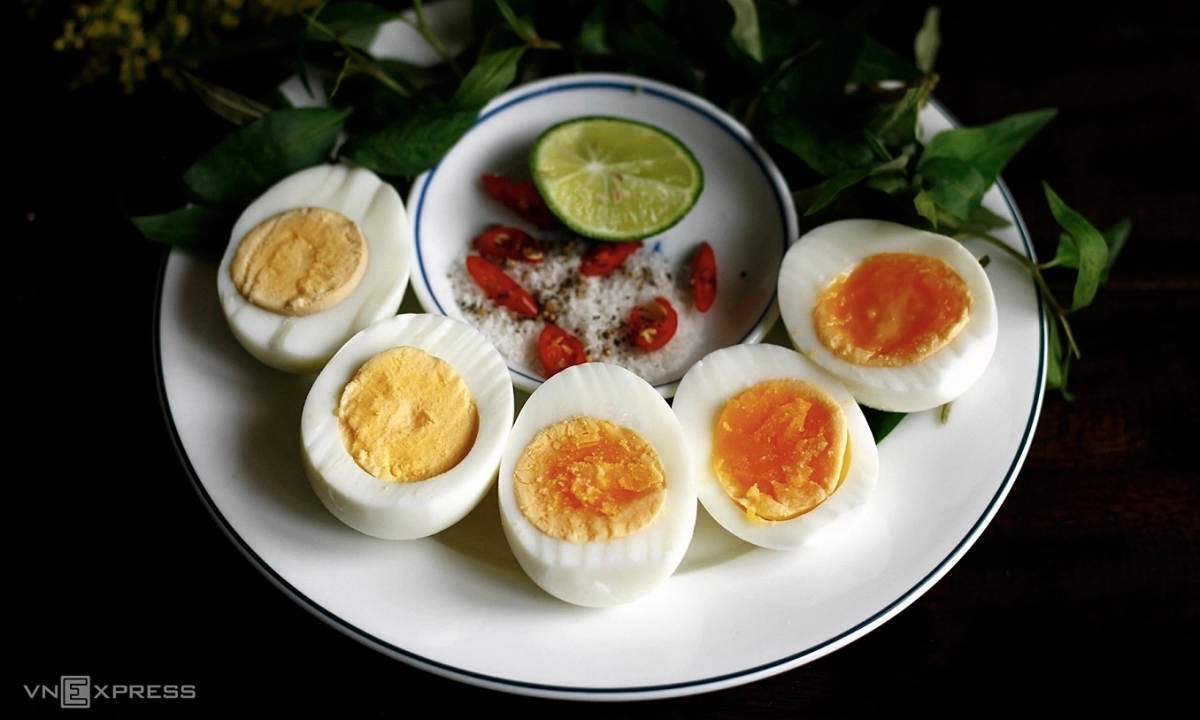
While fully boiled eggs can be refrigerated quite safely, undercooked eggs are a “paradise” for bacteria to grow.
Therefore, dishes such as soft-boiled eggs, eggs soaked in soy sauce (similar to ramen eggs), or eggs with yolk that has not completely solidified are not suitable for overnight storage.
Hard-boiled eggs can be refrigerated quite safely. Illustration photo: Bui Thuy
Mushroom dishes
The characteristics of mushrooms are that they contain high amounts of protein and are extremely easy to degenerate. Mushrooms, after being cooked for too long, can produce a large amount of bacterial metabolites.
Although this food group does not cause immediate food poisoning reactions, they still pose a potential health risk, especially for people with weak digestive systems.
Silver ear (white wood ear) and black wood ear
After soaking and cooking, silver ear and wood ear mushrooms release a large amount of polysaccharides. This is the ideal source of nutrition for bacteria to multiply.
Soup with silver ear (such as beauty tea, lotus seed tea with silver ear…) left overnight will lose nutrients, and there is a risk of producing bongkrekic acid – a toxin in the wood ear/silver ear that will deteriorate. The rate of occurrence of this toxin is not too high, but once poisoned, the consequences are extremely unpredictable, even leading to death because there is currently no specific antidote.
To protect the health of yourself and your family, Dr. Duy reminds people to build scientific eating habits:
-
Cook enough amount: Try to cook a moderate amount of food, eat one meal at a time, and prioritize eating fresh food that can be prepared immediately.
-
Do not leave perishable foods overnight: For ingredients that easily deteriorate, absolutely do not regret keeping them overnight.
-
Store and reheat properly: In case you must store leftover food, make sure the process of covering, cooling and reheating must meet temperature standards to minimize the risk of food poisoning.