Parents encourage children to ask questions, solve problems themselves, and read books every day to stimulate thinking, creativity and learning.
Different from simply memorizing knowledge, thinking helps children observe, analyze, ask questions and find many ways to solve situations. Below are simple ways to help parents nurture their children’s thinking ability from an early age.
Let children solve age-appropriate problems themselves
According to Times of India, many parents have the habit of doing things for their children to save time or fear their children will fail. However, letting children solve small difficulties themselves is an effective way to help train their thinking.
For example, when a toy is broken, instead of fixing it immediately, parents can ask their children what they should do first. If your child doesn’t know how to pack a bag or choose clothes, let them try and learn from experience. Thanks to the process of finding solutions, children learn to analyze situations, consider options, make decisions and gradually form problem-solving skills.
Let children participate in thinking training games
Learning through games is one of the natural ways for children to develop their brains. Games such as puzzles, chess, mazes, matching pairs, spot the difference or solving puzzles all require children to observe, remember, reason and plan.
Parents should not focus too much on winning or losing results, encourage children to explain why they choose that way or analyze with them if they are not successful. The discussion after each game helps children understand their own thinking process, thereby gradually forming logical thinking and the ability to look at problems from many angles.
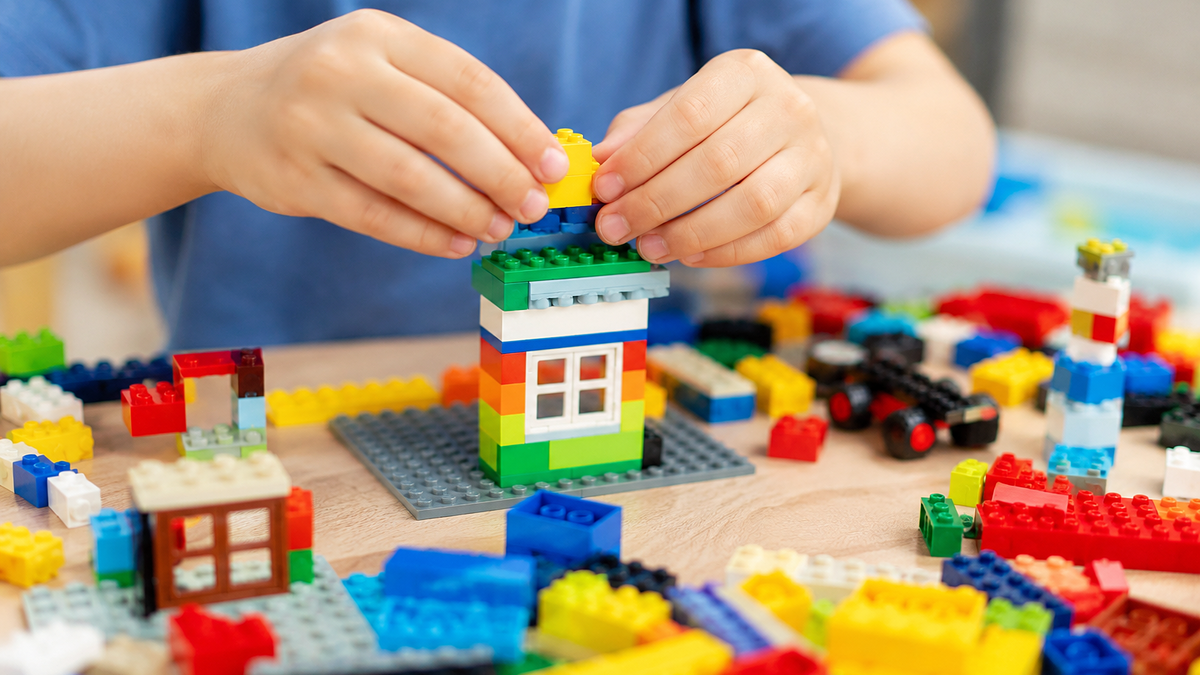
Children play games that help develop thinking. Photo:AI
Read books and talk to children every day
Reading helps children expand their vocabulary but also stimulates their imagination and reasoning ability. After reading a story, parents can ask children questions like: “If you were the main character, what would you do?”, “In your opinion, what will happen next?” or “Which character do you like the most and why?”.
Open-ended questions force children to recall content, analyze situations and express opinions. In addition to books, parents can also talk to their children about things happening in daily life so that children can practice observing, expressing their thoughts and giving their opinions, according toToday’s Parents.
Encourage children to explore and have real-life experiences
Practical experiences such as cooking with parents, planting trees, going to the supermarket, visiting museums, doing simple science experiments or observing nature give children many learning opportunities. Through these activities, children form the habit of asking questions and finding out the causes of phenomena.
For example, when cooking with their children, parents can ask: “What will happen if you add too much water?”. These provocative questions encourage children to apply knowledge into practice, while training their ability to observe, analyze, reason and think critically.