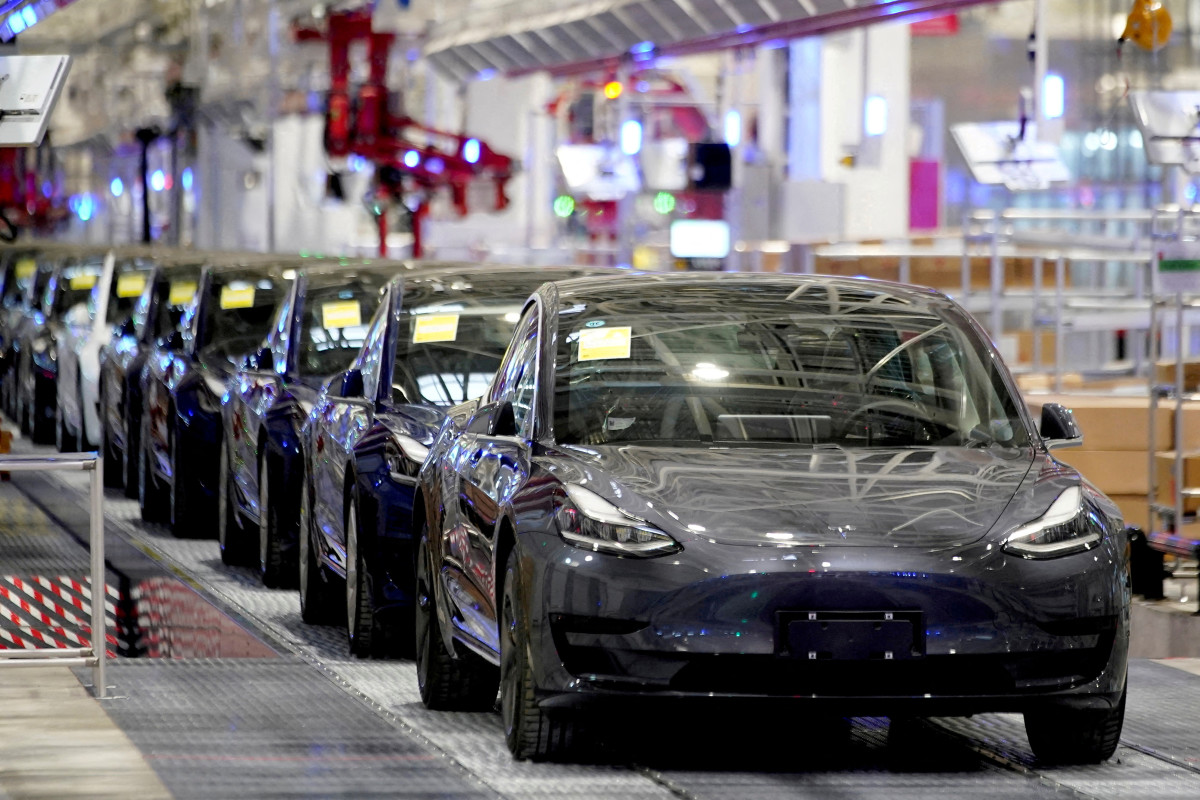
According to the sources, Tesla has contacted various suppliers in recent weeks to discuss the details of the design and production of the new compact vehicle. This is a completely different model and not another version of the popular Model 3 or Model Y models. The length of the new recreational vehicle is expected to be only about 4.28 meters, and it is planned to be significantly lighter – about 1.5 tons compared to the Model Y’s two tons.
In order to lower production costs and enable a more accessible price tag than the Model 3 (whose price starts at about $34,000 in China), Tesla plans to equip the new vehicle with a smaller battery and a single electric motor. As a result, its driving range is expected to be shorter compared to current models. The sources stated that the production is expected to be carried out at the company’s factory in Shanghai, China, with the intention of expanding the activity to the United States and Europe in the future. However, commercial production is unlikely to begin this year.
The Reuters report comes after Musk’s controversial decision in 2024 to cancel the project dubbed “Model 2”, a vehicle designed to cost $25,000, and to direct most of the resources to the development of “Robotaxi”. A Tesla official estimated that the new model is now designed to serve a dual purpose: to enable autonomous driving, but at the same time maintain the configuration of human controls such as steering wheel and pedals. This, with a sober understanding that many markets in the world are not yet regulatory or consumer ready for widespread adoption of driverless vehicles.
The current move is taking place against the background of analyst forecasts indicating a third consecutive year of decline in sales of Tesla’s traditional vehicles. Although the company continues to make promises and present concepts of autonomous taxis without a steering wheel, it has not yet received the most basic regulatory approvals in the US to hit the road. Meanwhile, it seems that the reality on the ground, alongside the growing competition from the Chinese, is forcing the company to go back and produce cars for the masses in order to maintain the output of the factories.