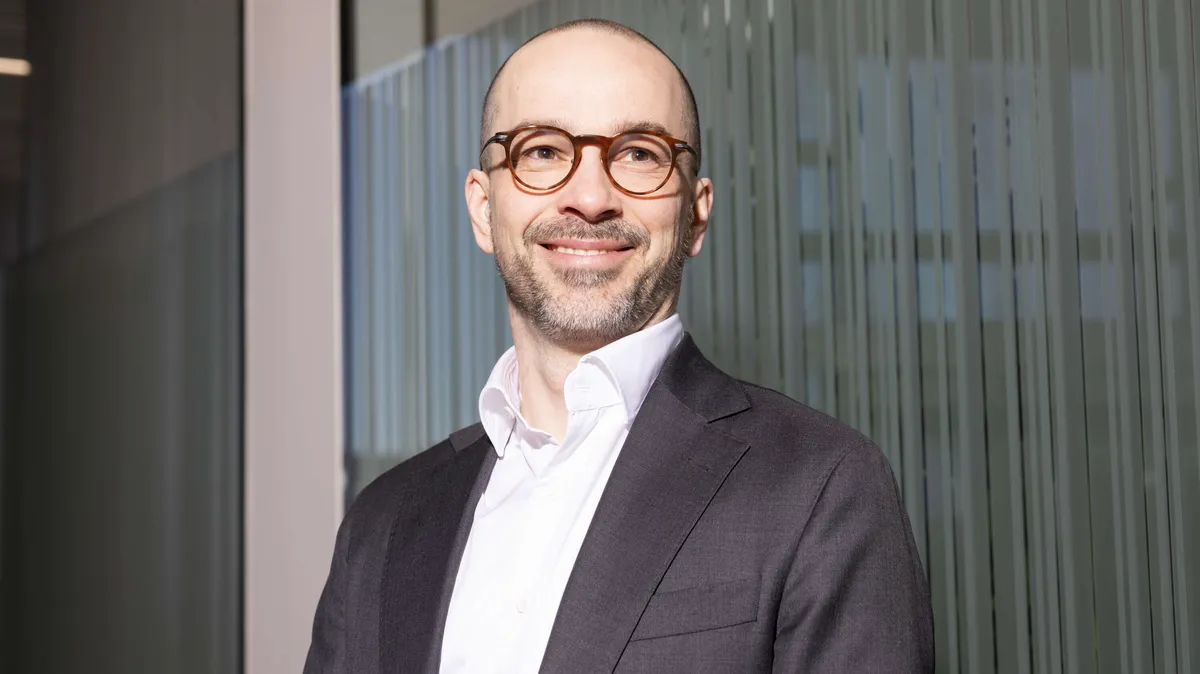
A new phase can now be seen in artificial intelligence investments, he writes Actian director responsible for equity investments Antti Raappana in its market review.
The price rise of stocks related to artificial intelligence has been dizzying this year. Raappana points out that during the summer the prices of individual stocks have also fluctuated exceptionally strongly.
“As so often in the past, when a theme becomes a phenomenon and investments yield fabulous returns, investors who are ready to take a higher risk come along. Expanding the use of debt leverage increases the fluctuation of rates,” says Raappana.
According to him, the fabulous profit margins of semiconductor companies can now be explained by bottlenecks in the value chain. The demand for components is huge, and production has not been able to meet the demand immediately.
Against legalities
At some point, the investment boom meets the legality of the market, Raappana states. Companies have made huge investments to meet market demand for AI components.
“In a dynamic market economy, excessive profits always attract competitors. As long as the demand for components increases, companies must invest in new capacity, because competitors do invest with the goal of meeting demand.”
Raappana points out that during the summer, among other things Alphabet, SpaceX, Oracle, Amazon and SK Hynix have sought tens of billions from investors either through share issues or debt financing.
According to him, the news reminds us of the traditional cyclicality of the semiconductor industry: as demand increases, prices rise, profitability increases and investments accelerate, until eventually the supply increases and prices fall, again weakening profitability.
“Now the profitability boost generated by the growth in demand and the rigidity of supply has been historic, and investors have begun to expect a ‘this time the story will be different’ development,” Raappana writes.
According to him, the results reports of artificial intelligence companies still show a strong positive development so far.
“However, clouds have started to form in the sky, and investors should critically evaluate both the prospects of their current investments and which companies will benefit next from the changing drivers of the market.”
Costs to others
The profit margins of semiconductor companies appear as increased costs for other companies.
Raappana lifts, for example Apple’swho announced at the beginning of the summer that they would raise the prices of their computers by almost twenty percent. According to him, manufacturers of game consoles, for example, have also raised their prices due to component costs.
“This is a reminder that someone has to pay Micron’s, Nvidia’s and the terrible results of many others”, says Raappana.
According to him, the rise in component prices has previously affected product-specific profitability.
It has often meant low-margin inexpensive products disappearing from the market, producers switching to cheaper and lower-quality components, and consumer prices rising. At the same time, producers’ profitability has often weakened.
On the other hand, Raappana points out that the prices of artificial intelligence tokens, i.e. the cost units of artificial intelligence calculations, have fallen below the level of the beginning of the year since the end of May.