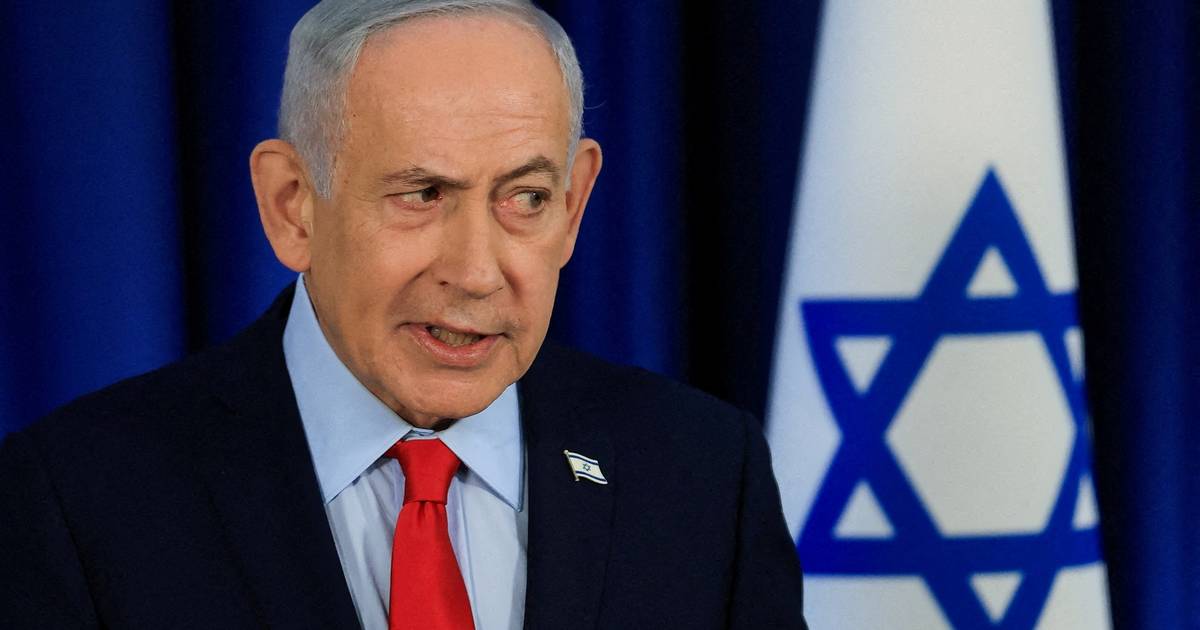
It was Netanyahu’s first visit to occupied Lebanese territory since the Israeli and Lebanese governments reached a security agreement brokered by the United States last Friday, according to which Israel will hand over two of the occupied territories to the Lebanese army. “We insist on not leaving southern Lebanon until the threat is removed,” Netanyahu told the soldiers, referring to Hezbollah, according to a statement released by his office.
“And as long as Hezbollah continues to operate here, is armed and threatens us, we will remain here,” he said.
Netanyahu, who last publicly visited the occupied Lebanese territory in April, was joined by Defense Minister Israel Katz and senior military officials.
Test zones
According to the US-backed security agreement, Israeli forces are to withdraw from the two “pilot zones” and allow the Lebanese Armed Forces to take control of those areas. No further details have been released on how the project will work in practice.
Israel invaded Lebanon after Hezbollah launched attacks on its southern neighbor on July 2 in response to the US-Israeli attack on Iran on February 28. Thus, the war spread to the region in which thousands of people died, mainly in Iran and Lebanon, but also in the Gulf and Israel.
The Israeli army created a “buffer zone” about 10 km long. the entire Israeli border. Israeli officials say the zone is needed to protect Israeli communities in the north of the country from Hezbollah attacks.
The army forces the local Lebanese population to leave their homes and raids the villages, destroying many buildings. The military claims it is destroying infrastructure used by Hezbollah, including underground tunnels.
Over 4,000 Lebanese have been killed and over a million displaced in the Israeli campaign in Lebanon since March. Hezbollah killed at least 32 Israeli soldiers and four Israeli civilians, most of them in southern Lebanon.
Netanyahu told Israeli troops on Tuesday that Hezbollah still had about 12,000 rockets and missiles in its arsenal and that the Israeli military had killed 9,000 militants in Lebanon. He did not say during which period, but it seems he was referring to the number of people killed since March 2, writes Reuters.
Hezbollah does not publish figures on its war dead. On May 4, Reuters reported that several thousand Hezbollah fighters were killed in the war.
Iran has repeatedly demanded a ceasefire in Lebanon as part of negotiations with the US to end the war that began in February. Israel, which is not directly involved in these talks, opposes linking the war in Lebanon with the war with Iran.
Under pressure from the US, Israel agreed to a ceasefire with Hezbollah on June 19, although violence continues.
Hezbollah has repeatedly objected to the negotiations between Israel and Lebanon, which it is not a part of.