The 26-year-old girl went to the emergency room because of a fast heartbeat, difficulty breathing, sweating and numb hands. The doctor did not detect a heart or lung disease but an anxiety disorder.
On September 1, doctor Ho Tan Trung, Department of General Neurology, People’s Hospital 115, said the patient was rushed to the emergency room because of “a feeling of extreme fear like he was about to faint” and was unable to breathe. Measuring an electrocardiogram, chest X-ray and blood tests, doctors did not find acute damage to the heart or lungs.
The girl said she worked as an accountant and was under work and financial pressure for nearly a year. She often suffers from insomnia, intermittent sleep, neck and shoulder tension, and decreased ability to concentrate.
The patient was diagnosed with an anxiety disorder. After more than a month of treatment according to a regimen combining psychological and lifestyle adjustments, the girl’s health and spirit are stable.
According to Dr. Trung, anxiety disorder is a condition in which fear and restlessness appear excessively, last long, are disproportionate to real situations and affect daily life, work, and relationships. Meanwhile, normal anxiety over work, exam or financial pressures often reduces when the cause of stress is resolved.
The disease can cause both physical symptoms such as nervousness, rapid heartbeat, difficulty breathing, tremors, sweating, numbness in the limbs, headaches, muscle tension and digestive disorders, and psychological manifestations such as restlessness, difficulty concentrating, wandering thoughts, insomnia, constant vigilance, fear of losing control or vague fear of things that have not happened yet.
Two common types are generalized anxiety disorder and panic attacks. Generalized anxiety disorder causes excessive, prolonged worry about many issues such as work, money, family, accompanied by fatigue, muscle tension, and insomnia. Panic attack sudden onset of intense fear, rapid heartbeat, chest pain, difficulty breathing, dizziness, tremors, sweating, and a feeling of impending loss of control or death, usually lasting a few minutes to about half an hour.
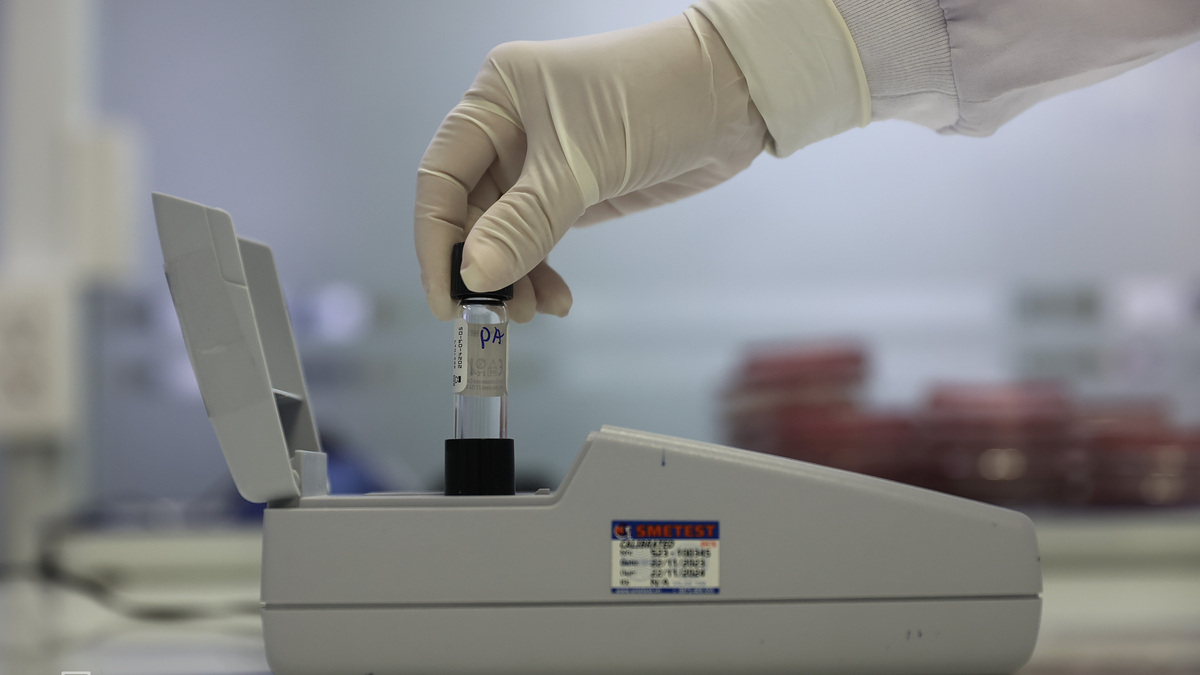
Testing for patients. Image: Quynh Tran
According to Dr. Trung, because the symptoms are easily confused with heart, respiratory, and digestive diseases, patients may go to many doctors before being diagnosed with anxiety disorder. Treatment depends on the severity, combining medication, psychotherapy and lifestyle changes; Patients should not self-medicate with sleeping pills or sedatives. Cognitive-behavioral therapy (CBT), exercise, relaxation and maintaining regular sleep help control symptoms and limit relapses.
Doctors recommend that people with long-term symptoms of anxiety that affect sleep, work or activities should be examined by a specialist instead of suffering silently. With acute symptoms such as chest pain, difficulty breathing, fainting or new unusual symptoms, emergency treatment is needed to rule out dangerous diseases before thinking about psychological causes.