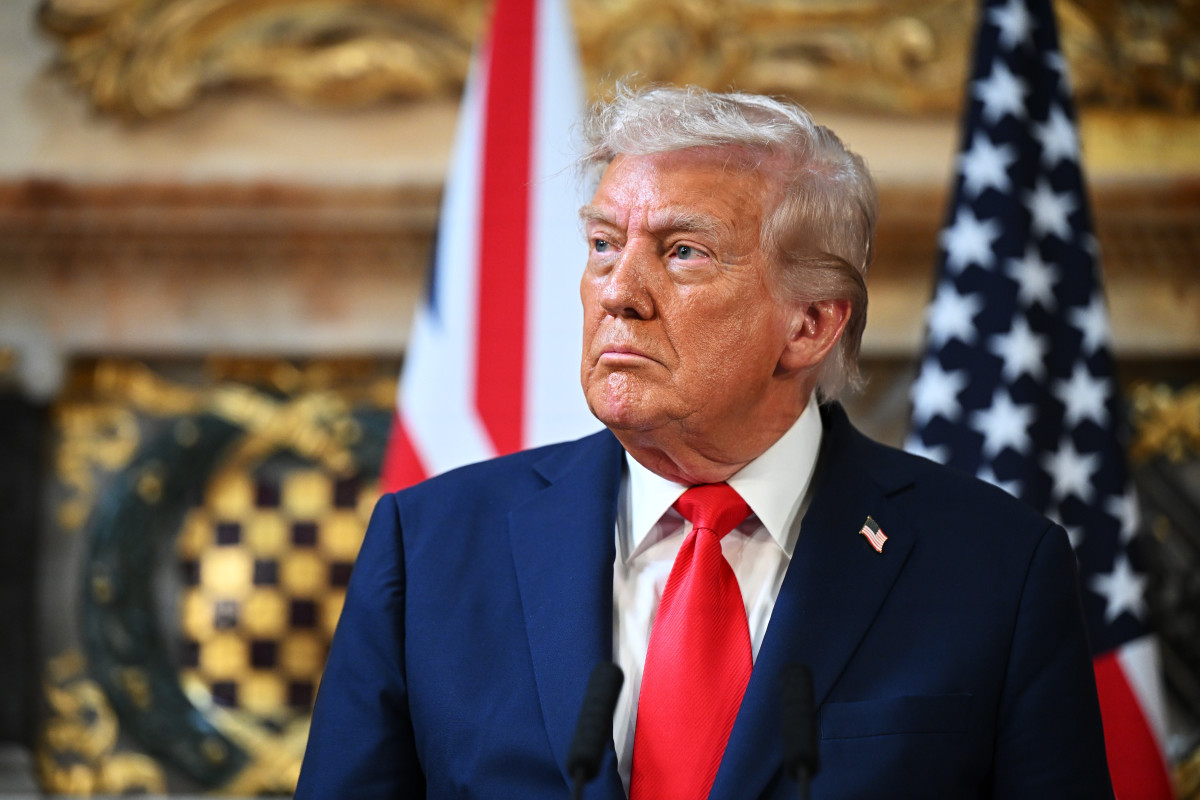
The President of the United States Donald Trump said tonight (Thursday) that in his estimation the war in Iran should have ended within three days. “If there is no deal with Iran – I will blame JD Vance; if there is a deal – I will take all the credit,” he added.
In “Politico” it is claimed that the very decision to deliver a major speech at this stage, while 2,500 additional American marines are making their way to the region, is intended, among other things, to reassure the American public and Wall Street, against the background of the fear of economic consequences of blocking the strait. According to the report, Trump wants to present to the public what the goals of the war were, what for him would be considered a victory, and how he intends to act if attempts to reach a ceasefire fail. However, according to the sources cited in the article, it is a difficult political challenge for him, given the unpopularity of the war and the fact that formal and measured speeches are not considered his natural arena.
The report also claims that in recent days Trump has been increasing his verbal attacks against European allies, who he says are not doing enough to help resolve the Hormuz crisis. On Tuesday, he called on them to “build some late courage” and “go get their own oil”, and later even threatened again to consider an American withdrawal from NATO. In an interview with “The Telegraph” he called the alliance a “paper tiger” and said that for him the question is “almost beyond the re-examination stage”. According to a senior White House official, Trump’s anger is very real, especially after European countries, including Italy and Great Britain, limited American use of bases and space their air in the context of the war in Iran.
Despite the threats, the article states that an official American withdrawal from NATO will require a vote in the Senate, where the alliance still has broad support, including among Republicans. On the other hand, European officials quoted in Politico sounded relatively calm. Change the terms of providing security guarantees to Europe – so that Washington will grant them less in the name of shared values and more in exchange for money, interests and political achievements.