Foods rich in selenium, omega-3, vitamins C and E participate in the sperm production process, helping to protect reproductive cells from the harmful effects of oxidative stress.
Nutritionist Nguyen Trung Hieu, Nutrition specialist, Tam Anh General Hospital, Hanoi, said sperm quality is influenced by age, endocrine, pathology and lifestyle. Diet contributes to supporting the spermatogenesis process, improving sperm mobility, shape and stability.
Foods rich in zinc
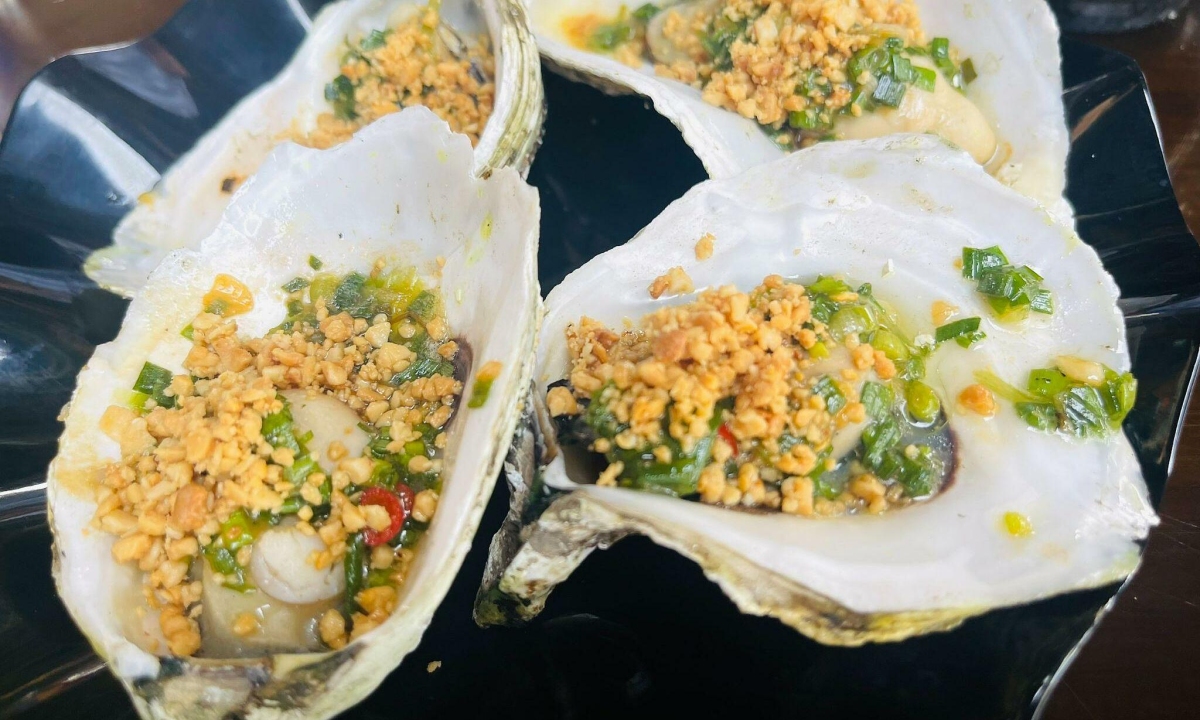
Zinc is an important mineral in spermatogenesis and testosterone production. Men can supplement zinc from oysters, mussels, shrimp, crab, beef, lean meat, and eggs. This is a familiar food group, easy to include in daily meals.
Zinc-rich oysters are a good food for sperm. Image: Van Ly
Foods rich in healthy fats
Some types of fish such as salmon, mackerel, and sardines contain lots of omega-3, which can support sperm membrane structure and mobility. Nuts such as walnuts, almonds, and pumpkin seeds also provide healthy fats and micronutrients that are beneficial for male reproductive health.
Vegetables and fruits
Dark green leafy vegetables, broccoli, asparagus, beans, and avocado help supplement folate, vitamin E and antioxidants. Ripe tomatoes, watermelon, and red papaya contain lycopene – an active ingredient believed to be positively related to some semen indicators.
Fruits rich in vitamin C
Vitamin C contributes to protecting sperm from damage caused by free radicals. Men who regularly eat fruits such as oranges, tangerines, grapefruit, kiwi, strawberries, and guava can support the quality and motility of sperm.
Limit alcohol, tobacco, and processed foods
Alcohol, tobacco, sugary drinks, fast food, processed meat, and trans fats are associated with increased oxidative stress, endocrine disruption, and negative effects on male reproductive health. If you want to improve sperm quality, this is the food group that should be limited first.
Besides nutrition, men also need to get enough sleep, exercise regularly, control weight, limit staying up late and avoid prolonged high temperatures in the scrotum to protect reproductive health.
Expert Hieu notes that for men with testicular disease, varicocele, endocrine disorders, inflammation or genetic abnormalities, diet cannot replace treatment. If a couple has been expecting a child for a while and has not had a child or the semen test is abnormal, the patient should see a doctor to be properly evaluated for the cause.