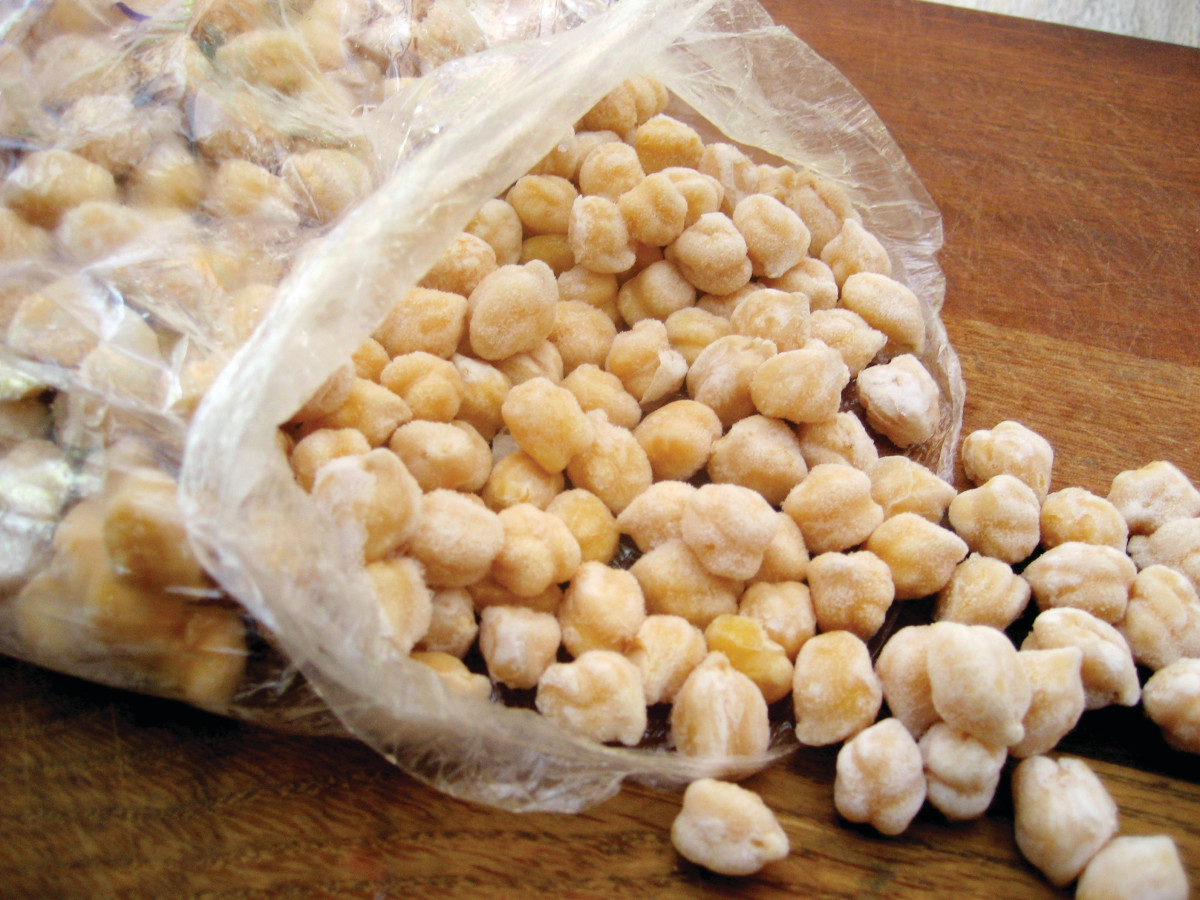
Many are looking for small changes in the menu that can improve their health without having to switch to an extreme diet. Dr. Rajan Karan, known on social networks as Dr. Raj, recently recommended increasing the consumption of legumes and using them to replace some of the red and processed meat in the menu. According to him, the change may increase the consumption of fiber and protein from plants, and at the same time reduce the amount of saturated fat. He relied on a study published in 2025 in the European Journal of Nutrition and examined the effect of replacing some of the meat products with foods based on legumes.
What exactly did they check?
102 healthy men between the ages of 21 and 61 participated in the study, who were divided into two groups for six weeks. One group consumed a relatively high amount of red and processed meat, while in the other group a larger portion of the protein came from plant sources, while reducing the weekly meat consumption to about 200 grams per week.
The change led to a reduction in the consumption of saturated fat, and an increase in the consumption of fiber and monounsaturated fat. The most striking finding was the change in the blood lipid profile. Among the participants who increased their consumption of legumes, there was a decrease in the levels of total cholesterol and LDL, sometimes referred to as the “bad cholesterol”, compared to the meat group, where a slight increase in these indices was recorded.
There was also a difference in weight: the participants who consumed more legumes lost an average of one kilogram during the six weeks, compared to a loss of only about 300 grams among the meat group participants. However, Nevo also emphasizes the limitations of the study. He did not examine whether the change in diet actually reduces the risk of heart attacks, diabetes or mortality, but focused on short-term risk indicators.
Who can it suit?
Legumes are a key component of the Mediterranean diet, a dietary pattern that has been studied for years and has been found to be associated with reducing the risk of cardiovascular disease.
According to Nevo, increasing the consumption of legumes can be especially suitable for people who eat large amounts of red or processed meat, for those who are dealing with high levels of LDL cholesterol, and for those who want to increase their consumption of fiber and protein from plants – even without completely removing meat from the menu.
How do you combine legumes without changing the menu?
You don’t have to immediately switch to a diet without animal products. You can leave a moderate amount of animal foods in the menu, and at the same time gradually increase the portion of legumes.
One option is to replace two to four meat meals a week with meals based on lentils, chickpeas, beans, peas or beans.
For example, you can replace the meat in Bolognese sauce with lentils, make meatballs from legumes, replace part of the red or processed meat with dishes based on legumes, or simply add lentils, chickpeas and peas to salads and soups. It is also possible to replace only part of the meat in the dish and not all of it, thus making the change gradually. For those who are not used to consuming legumes regularly, it is recommended to start with a small amount and gradually increase it, to reduce symptoms such as bloating and gas.
And when should you consult a professional?
When significantly reducing animal foods, it is important to make sure that the menu still provides all the necessary components. Too large a reduction without proper planning may, among other things, make it difficult to have sufficient intake of vitamin B12 and iron.
Therefore, according to Nevo, it is recommended to consult a dietician especially in cases where a significant change in the menu is made, as well as in situations of anemia or problems with the digestive system.
The bottom line is not that legumes are a “magic ingredient”, but that a moderate replacement of some of the red and processed meat with legumes can be a simple way to improve the quality of the menu, increase fiber intake and reduce saturated fat intake – without completely giving up animal foods.